
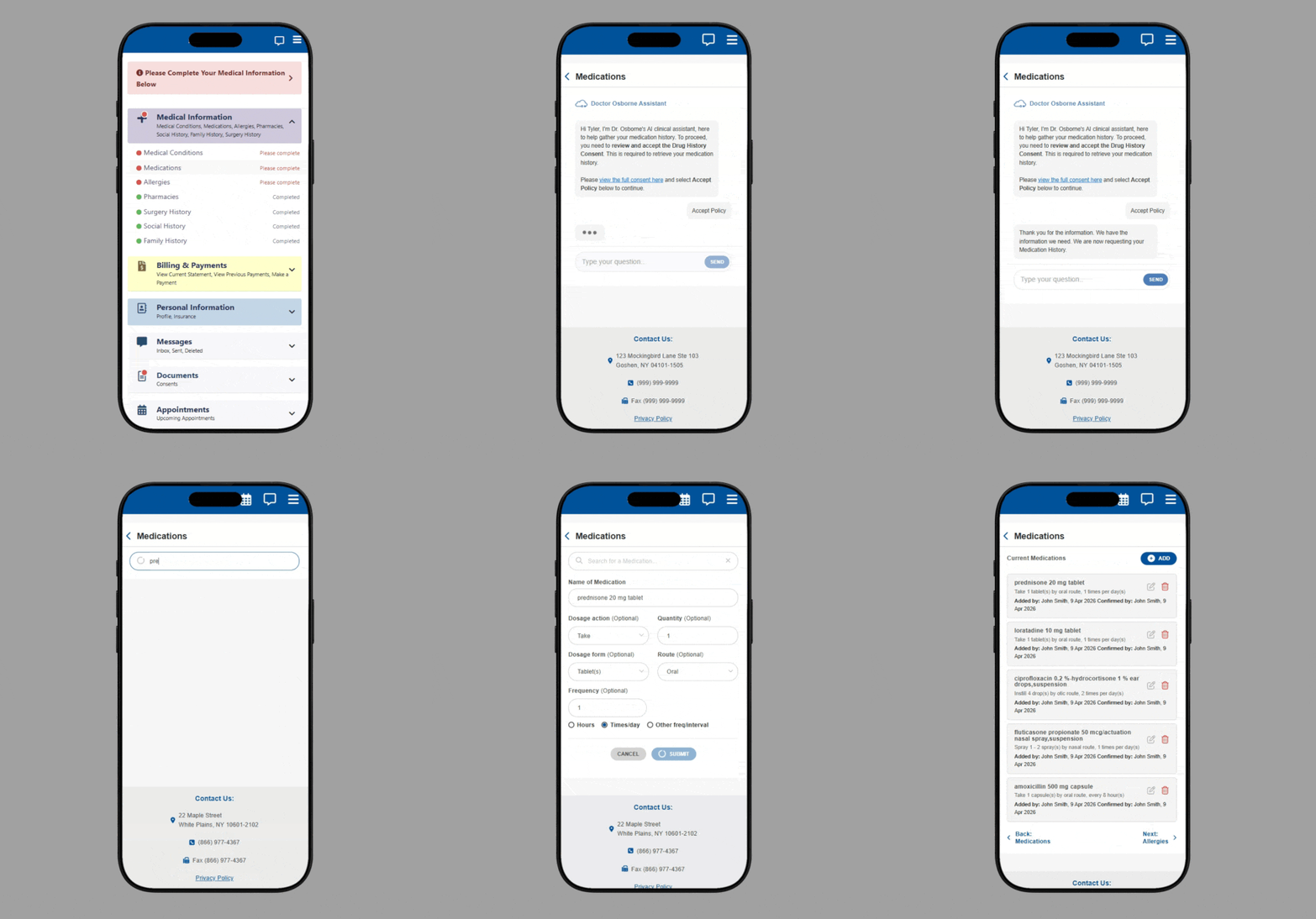
Medication lists are often incomplete, outdated, or inconsistent. Patients forget details, records don’t match pharmacy data, and providers spend valuable time correcting discrepancies during the visit.
The Medication Reconciliation Agent guides patients through reviewing and confirming their medications before the encounter, so clinicians start with a list they can trust.
Patients review current medications and confirm what they’re taking before the visit.
The agent asks simple questions like “Do you still take this?” and helps patients update dose, frequency, and status.
Medication lists are reviewed and updated ahead of time, reducing in-visit corrections.
Prescription history is retrieved and combined with patient input to create a more complete, accurate list.
Explore how our Medication Reconciliation Agent functions with the demo below:
Safe prescribing depends on understanding exactly what a patient is taking—not just what’s listed in the chart.
The Medication Reconciliation Agent gathers that context before the visit by combining prescription history, patient confirmation, and guided updates. It identifies active medications, discontinued drugs, and changes in dosage or frequency, creating a clearer picture of the patient’s current regimen.
When patients return for follow-up visits, the agent compares previous lists with new information, helping highlight what has changed over time and reducing the need to re-verify the same details.
Medication history is pulled from external sources and combined with patient input to create a more complete view.
Patients review and update their medications directly, helping ensure lists reflect real-world usage.
For follow-up visits, the agent highlights changes since the last encounter, supporting ongoing medication management.
Medication reconciliation is critical for patient safety, but it’s often incomplete until the provider manually reviews and corrects it during the visit.

Consider a patient named Caroline.
Caroline arrives for her appointment and is asked to review her medications. She tries to recall what she’s taking, but isn’t sure about dosages or whether certain prescriptions are still active.
The provider reviews the chart and notices discrepancies. Some medications are missing, others are outdated, and a few need clarification.
Several minutes are spent reconciling the list before the provider can move forward with care decisions.
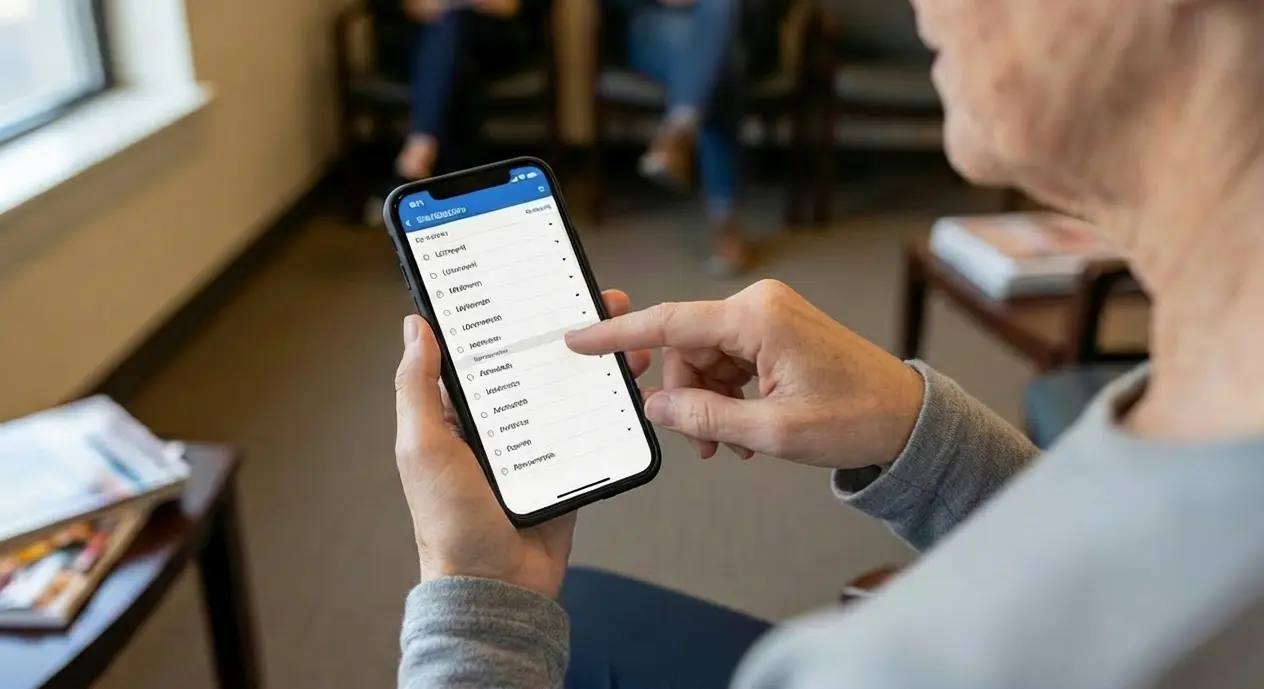
Before her appointment, Caroline reviews her medications through a guided experience.
Her prescription history is pulled automatically, and the agent walks her through each medication—confirming what she still takes, what has changed, and what should be removed.
When the visit begins, the medication list is already updated.
Instead of correcting the chart, the provider can focus on treatment decisions with confidence in the information put in front of them.
Find out how the Medication Reconciliation agent can make an
impact to your practice.
Manual entry relies on memory and often leads to incomplete or inaccurate lists.
The Medication Reconciliation Agent pulls prescription history, then guides patients through confirming and updating each medication, resulting in a more accurate and complete record.
Medication history is retrieved from Surescripts after patient consent, providing a record of previously prescribed medications.
The agent combines external prescription data with patient confirmation and guided updates, helping identify missing, outdated, or incorrect medications.
The system prompts patients to complete required demographic data and consent before retrieving medication history, ensuring successful data retrieval.
Yes. Patients can adjust dose, frequency, and other details (SIG) to reflect how they actually take their medications.
No. The agent prepares the medication list in advance. Clinicians can review, confirm, and make adjustments during the visit.
Accurate medication lists reduce the risk of adverse drug interactions, incorrect prescribing, and missed therapies.
The agent compares previous medication lists with current information, helping highlight changes and reduce repetitive reconciliation work.
Yes. Patients provide consent before medication history is retrieved, and this consent is recorded for compliance.
Yes. All data is handled through secure, HIPAA-compliant workflows within the platform.
Medication data flows into the patient record and supports prescribing, documentation, and clinical decision-making during the visit.